
Covenants for Kids enables church volunteers to mentor children who are being raised in foster care. Volunteers become trained and cleared to drive children living in foster care to church, and in the process they may develop relationships that last beyond the teen's emancipation from foster care.
How The Program Works

Covenants for Kids: Churches Helping Children in Foster Care, is a project of Teaching Like Jesus Ministries, Inc. in conjunction with the Los Angeles County Department of Children and Family Services. Church volunteers drive children living in foster care to church to attend Sunday morning service, Sunday School, Children's Church, Youth Group, Choir, Vacation Bible School, and other church events.
At a pastor's invite, Dr. Tolbert visits that church on a Sunday morning or during Bible Study and presents an overview of Covenants for Kids to the congregation. Following service, those who are interested in volunteering complete an information sheet and are scheduled to attend a 4-hr driver's training workshop.
After completion of the training, volunteers are live-scanned (fingerprint background check). Once the volunteer receives criminal clearance, a child who has indicated that he/she wants to attend church is assigned. Children usually reside within an 8-10 mile radius of the church.
It's that easy! As children interact with church members, they may find a forever family. Even if they are not adopted, they may make permanent connections to adults that will last beyond emancipation from the foster care system.
At a pastor's invite, Dr. Tolbert visits that church on a Sunday morning or during Bible Study and presents an overview of Covenants for Kids to the congregation. Following service, those who are interested in volunteering complete an information sheet and are scheduled to attend a 4-hr driver's training workshop.
After completion of the training, volunteers are live-scanned (fingerprint background check). Once the volunteer receives criminal clearance, a child who has indicated that he/she wants to attend church is assigned. Children usually reside within an 8-10 mile radius of the church.
It's that easy! As children interact with church members, they may find a forever family. Even if they are not adopted, they may make permanent connections to adults that will last beyond emancipation from the foster care system.
Sound Of Hope: The Story Of Possum Trot
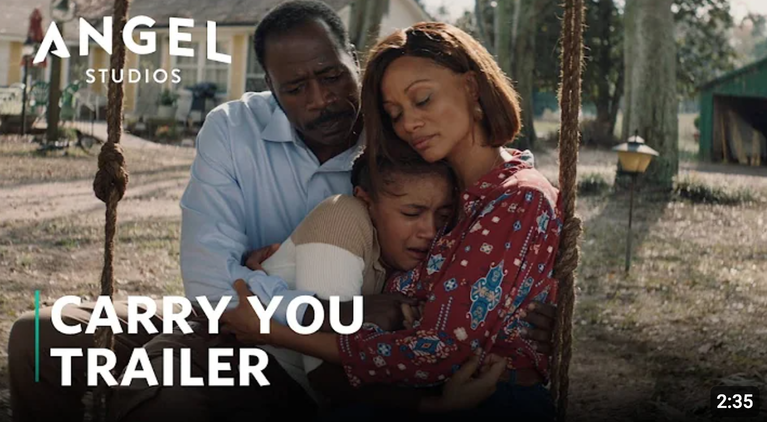
This movie tells the story of twenty-two families from a rural Black church adopting seventy-seven kids from the foster system.
Why This Matters
In James 1:27, the Lord tells us "Pure and undefiled religion in the sight of our God and Father is this: to visit orphans and widows in their distress, and to keep oneself unstained by the world." Every child needs to hear the Word of God and be surrounded by a church family.
Caring adults are vital to a successful entry into young adulthood. These relationships are especially important for older youth who are considered "hard to adopt." Several churches have already participated, if you'd like to add yours to the list, please contact us.
Caring adults are vital to a successful entry into young adulthood. These relationships are especially important for older youth who are considered "hard to adopt." Several churches have already participated, if you'd like to add yours to the list, please contact us.